

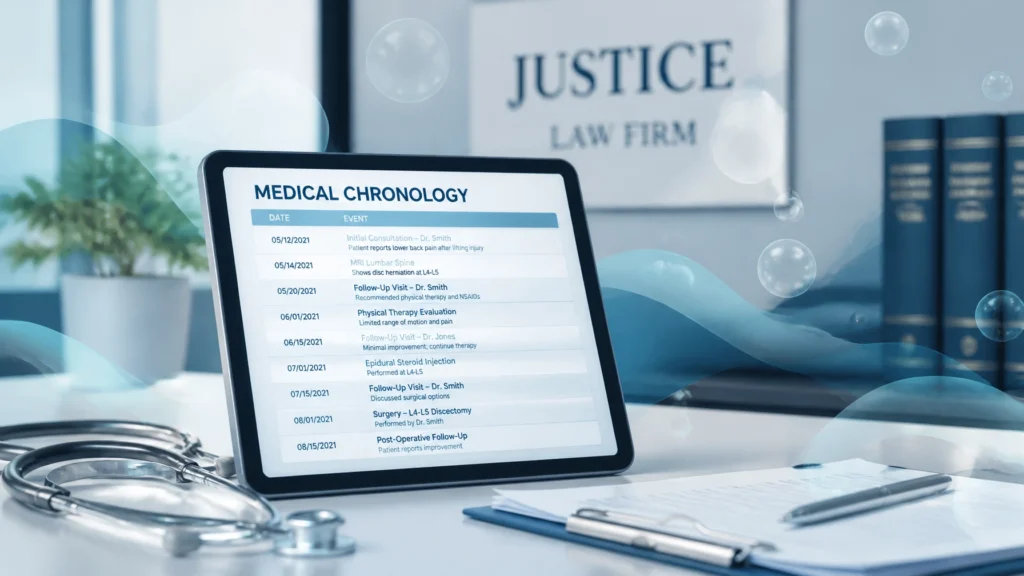
For many attorneys and insurance adjusters, the arrival of a new medical-legal case is often accompanied by a sense of impending administrative dread. It isn't the legal strategy that weighs heavy; it is the physical or digital arrival of three, four, or even ten thousand pages of unorganized medical records.
The manual review of these documents is a notorious bottleneck. It is a grueling process of deciphering handwritten notes, cross-referencing obscure lab results, and attempting to piece together a coherent timeline from a chaotic mountain of data. When you spend your weekend triaging records instead of building your case strategy, you aren't just losing time: you are losing your competitive edge.
At FAQ by Nurse Jessi Consulting, we specialize in bridging the gap between healthcare and the legal system. We don’t just "look" at records; we perform deep-dive medical case analysis for lawyers that uncovers what the defense hopes you’ll miss. Here is how you can reclaim 10+ hours of your week while ensuring your clinical evidence is airtight.
The Bottleneck: Why Manual Review is Costing You
In the legal world, time is more than money: it is the ability to be proactive rather than reactive. When a legal team handles its own medical record review for attorneys, the process often follows a predictable, inefficient pattern:
- The Sorting Phase: Paralegals spend hours or days organizing files by date and provider.
- The Translation Phase: Attorneys look up medical terminology, drug side effects, and ICD-10 codes to understand the clinical significance of a note.
- The Synthesis Phase: Attempting to build a chronology while simultaneously looking for gaps in care or missing records.
This fragmented approach is prone to "clinical fatigue." When you are looking at page 400 of a 1,200-page file, the nuance of a subtle "change in mental status" or a "failure to rescue" warning sign can easily be overlooked. The result? A case that is built on an incomplete foundation, potentially leading to unnecessary expert fees or a settlement that doesn't reflect the true extent of the damages.

Clinical Accuracy vs. Clerical Speed
There is a common misconception that speed and accuracy are mutually exclusive in medical record review. This only holds true if you are using clerical staff to perform clinical work.
A paralegal is an expert in the legal process, but they are rarely trained in the "nursing lens": the ability to look past the ink on the page and understand the standards of care that should have been followed. Conversely, a legal nurse consulting service brings decades of bedside and administrative healthcare experience to the table.
By utilizing a professional medical-legal consultant, you aren't just outsourcing paperwork; you are gaining a clinical gatekeeper. We identify pediatric morbidity risks, functional impairments, and epidemiological warning signs that a non-clinical reviewer would naturally miss. This clinical accuracy is what prevents you from taking on "bad" cases or settling "good" ones for far less than they are worth.
The 10-Hour Breakdown: Where Time is Recovered
How do we consistently save our clients 10+ hours per case? It isn't through shortcuts; it’s through specialized clinical systems.
1. Advanced Organization & Indexing
Instead of a raw PDF, you receive a hyperlinked, indexed, and chronological medical summary. You can navigate from a summary of a surgery directly to the specific operative note with a single click. This eliminates the "search and find" mission that consumes hours of attorney time.
2. Clinical Translation
We translate medical jargon into plain, actionable language. You won’t need to Google "thrombocytopenia" or "myocardial infarction" to understand the severity of a client's condition. We provide the definitions and, more importantly, the implications of those findings for your case.
3. Identifying Gaps and Breaches
Often, the most important part of a medical record is what isn't there. We identify missing records, skipped protocols, and "silent" breaches in the standard of care. Identifying these early in the discovery phase allows you to request the right documents immediately, rather than waiting months to realize a critical piece of evidence is missing.
4. Streamlining Expert Testimony
When you hire an expensive medical expert witness, you don't want them spending $500/hour sorting through unorganized records. By providing them with a professionally prepared medical chronology and summary from a Legal Nurse Consultant, you ensure they can get straight to the opinion-forming phase. This alone can save thousands of dollars in expert fees.

Internal Checklist: Is Your Medical Review Process Efficient?
If you recognize your firm in the following patterns, it may be time for a professional check-in. Use this self-assessment tool to evaluate your current workflow:
- The Weekend Test: Are you or your associates spending weekends or late nights reviewing raw medical charts?
- The Jargon Barrier: Do you find yourself spending more than 15 minutes per case researching medical terms or drug interactions?
- The Missing Link: Have you ever reached the deposition phase only to realize a critical day of nursing notes was missing from your production?
- The Expert Friction: Has a medical expert complained about the organization of the records or requested a "cleaner" timeline?
- The Cost-to-Value Ratio: Is the hourly rate of the person reviewing records higher than the rate of a specialized consultant?
If you checked more than two boxes, your firm is likely losing at least 10 hours of billable or strategic time per medical-legal case.
Case Study: From Chaos to Clarity
Consider a complex medical malpractice case involving a failure to diagnose. The attorney received 4,500 pages of electronic health records (EHR). The raw data was a mess of repetitive automated entries and "copy-paste" notes.
By engaging FAQ by Nurse Jessi Consulting, the attorney received a 20-page medical chronology that highlighted a specific lab value from "Day 2" that was never followed up on by the attending physician. This single clinical detail became the focal point of the settlement negotiations. The attorney saved an estimated 15 hours of personal review time and entered the negotiation room with the clinical confidence of a medical professional.

Conclusion: Reclaiming Your Strategic Edge
Medical record review shouldn't be a hurdle; it should be the roadmap for your litigation strategy. By bridging the gap between clinical reality and legal necessity, we empower attorneys to focus on what they do best: advocating for their clients and winning cases.
Don't let your next case get bogged down in the paperwork. Whether you are handling personal injury, medical malpractice, or criminal cases with medical components, clinical accuracy is non-negotiable.
Are you ready to save 10+ hours on your next case?
Contact FAQ by Nurse Jessi Consulting today to schedule a consultation. Let us handle the clinical heavy lifting so you can focus on the law. For more insights on healthcare and the legal system, visit our blog or check out our latest resources in our Ebook shop.