

By FAQ By Nurse Jessi Consulting, LLC.
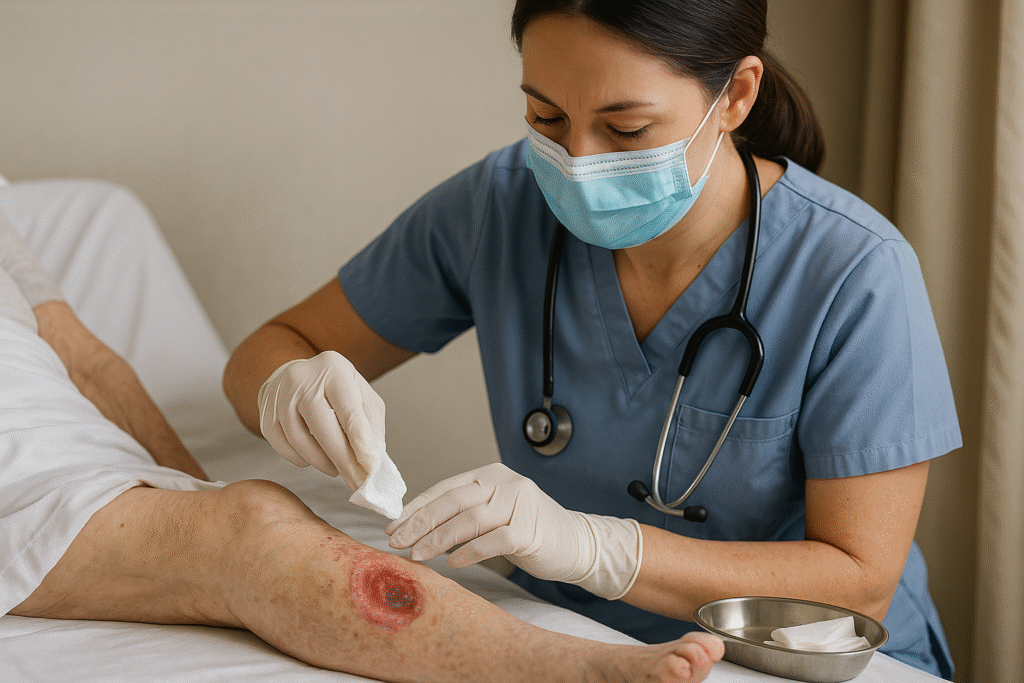
Pressure injuries—commonly known as bedsores or pressure ulcers—are among the most preventable forms of patient harm in healthcare settings.
Yet hospitals, nursing homes, and long-term care facilities continue to see patients suffer severe, avoidable wounds due to incomplete
assessments, missed warning signs, and delayed interventions.
As a Family Nurse Practitioner and Legal Nurse Consultant, I have seen how quickly a simple area of non-blanchable redness can escalate
into a deep tissue injury, infection, or even sepsis. Most of these cases share the same root cause: failure to follow established
prevention practices.
What Are Pressure Injuries?
Pressure injuries develop when prolonged pressure, friction, or shear disrupt blood flow to the skin and underlying tissue.
High-risk areas include:
- Heels
- Sacrum
- Hips
- Shoulders
- Elbows
Left unaddressed, a Stage 1 injury can rapidly progress into a full-thickness wound requiring surgical debridement or extensive wound care.
Why Pressure Injuries Are Considered Preventable
Guidelines from CMS, the National Pressure Injury Advisory Panel (NPIAP), and major accrediting bodies emphasize that pressure injuries
are largely preventable when appropriate protocols are followed.
Standard preventive measures include:
- Timely and thorough skin assessmentsd
- Accurate Braden Scale scoring
- Frequent repositioning
- Pressure-relieving surfaces
- Skin-protective dressings
- Adequate hydration and nutrition
- Consistent documentation and handoff communication
When these steps are skipped, rushed, or inconsistently performed, preventable harm occurs.
Where Negligence Happens: Common Breakdowns in Care
Missed or Incomplete Skin Assessments
One of the most common forms of negligence is failing to perform thorough, head-to-toe assessments. Best practice now includes:
- A full skin-to-skin admission assessment performed by two nurses
This ensures accuracy, accountability, and early detection.
When early signs—such as redness, bogginess, discoloration, or skin temperature changes—are missed, patients lose the opportunity for early intervention.
Failure to Reposition Patients
Repositioning immobile patients every two hours (or more frequently if needed) is foundational to preventing pressure injuries.
Negligence occurs when:
- Turning schedules are not followed
- Documentation is inconsistent or back-charted
- Staff shortages prevent timely repositioning
Simply put: if a patient is not being routinely turned, a pressure injury is likely.
Poor Documentation and Communication
Preventing pressure injuries requires accurate communication, especially during handoff. Best practice includes:
- Discussing skin integrity and pressure injury risk at every shift change
- Documenting all findings immediately
- Using standardized language to describe wounds
If skin changes are not clearly documented and passed along, interventions are often delayed.
Delayed Wound Care Intervention
When a pressure injury is identified, timely action is critical. Negligence may include:
- Delayed wound care consultations
- Missed dressing changes
- Untreated signs of infection
- Slow escalation when the wound worsens
Small delays often lead to large consequences.
Understaffing and Inadequate Training
Many pressure injury cases occur in facilities where:
- Nurse-to-patient ratios are unsafe
- Nursing assistants are insufficiently trained
- Wound prevention protocols are not reinforced
- Leadership is unaware of compliance gaps
Regardless of staffing issues, facilities remain fully responsible for meeting standards of care.
Complications of Untreated Pressure Injuries
When not promptly recognized or properly managed, pressure injuries can lead to:
- Cellulitis
- Osteomyelitis
- Sepsis
- Prolonged hospitalization
- Chronic pain
- Amputations
- Permanent disability
- Death
These outcomes are devastating—and in most cases, avoidable.
When Pressure Injuries Become Medical Malpractice
A pressure injury may be considered negligence if:
- It developed after admission to a facility
- The patient was high-risk but not protected
- Preventive protocols were inconsistently followed
- Documentation shows gaps in care
- The wound progressed to Stage 3, Stage 4, or unstageable
- The injury caused significant complications
Legal nurse consultants play a crucial role in reviewing medical records and identifying where standards were breached.
Prevention: Strengthening Standards of Care
To reduce preventable pressure injuries, facilities must reinforce:
- Two-nurse skin assessments on admission
- Routine skin assessments built into daily nursing workflow
- Skin integrity as a standard handoff topic
- Immediate escalation of non-blanchable redness
- Consistent and accurate Braden scoring
- Early involvement of wound care specialists
These interventions directly reduce patient harm and costs associated with pressure injuries.
Protect Your Patients and Your Facility
If you want to understand how preventable pressure injuries may be affecting patient safety—or how much they may be costing your organization—I can help.
Nurse Jessi Consulting, LLC provides expert clinical case reviews, workflow improvement insight, and evidence-based
recommendations that help facilities strengthen compliance and reduce preventable harm.
Schedule a consultation today to learn how improved pressure injury prevention can protect both patients and your bottom line.