

By FAQ BY Nurse Jessi Consulting, LLC.
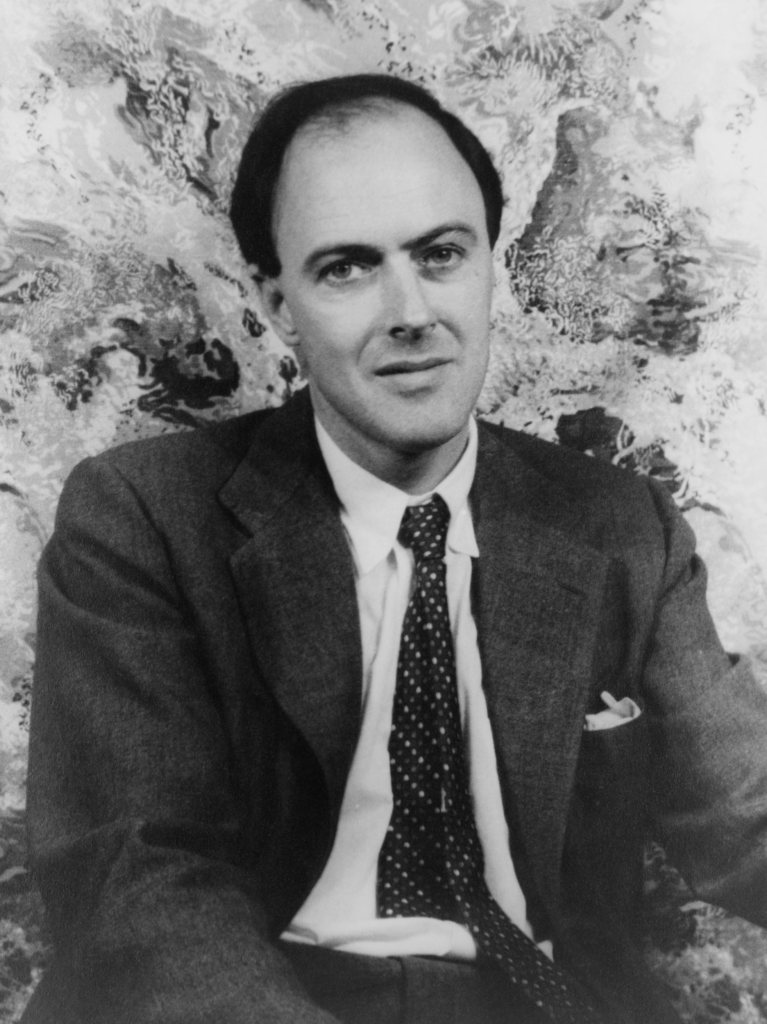
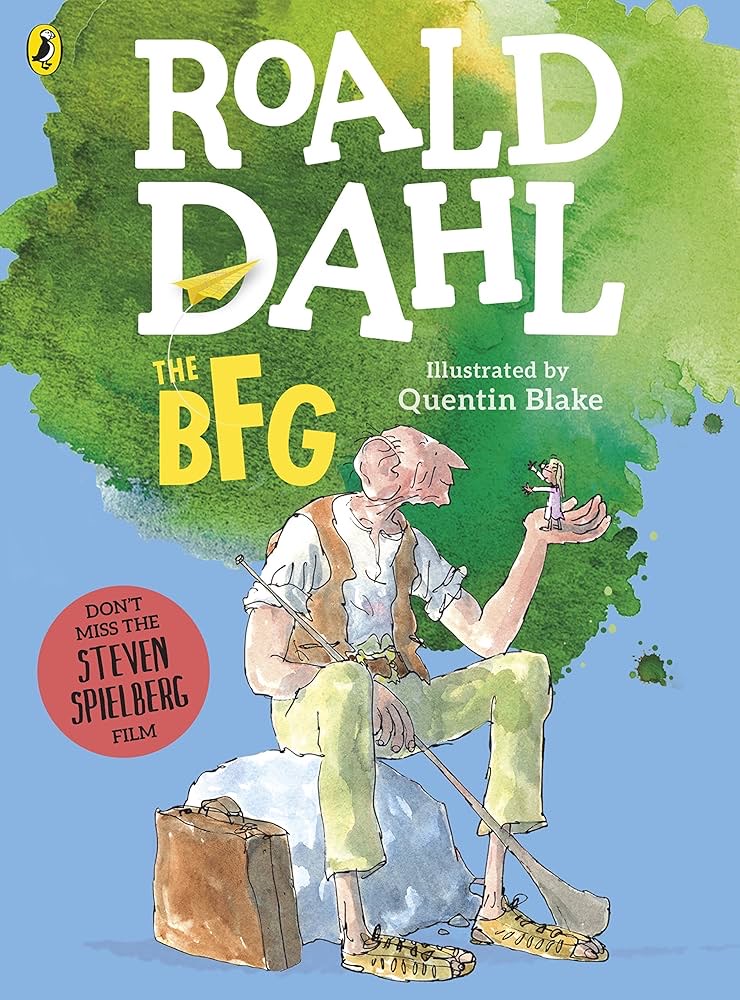
Roald Dahl is remembered for creating some of the most imaginative children’s stories of all time—Charlie and the Chocolate Factory, Matilda, James and the Giant Peach, and of course, The BFG.
What many people don’t know is that The BFG was born out of profound personal loss—and that Roald Dahl later became a passionate supporter of childhood vaccination because of it.
A Tragedy That Changed Everything
In 1962, Roald Dahl’s seven-year-old daughter, Olivia, contracted measles. At the time, a measles vaccine did not yet exist. What initially appeared to be a routine childhood illness quickly became devastating.
Olivia developed measles encephalitis, a rare but severe complication in which the brain becomes inflamed. Within days, she lost the ability to speak, move, and function independently. Despite medical care, Olivia passed away.
Dahl later described the heartbreak of watching his daughter fade before his eyes—an experience that permanently shaped him as a father, a writer, and eventually, a public advocate for vaccines.
Writing Through Grief: The Birth of The BFG
Years after Olivia’s death, Dahl wrote The BFG, a story centered on a gentle giant who protects children from harm, whispers dreams, and stands against cruelty.
Many readers and literary scholars believe the book reflects Dahl’s longing to protect children in a way he could not protect his own daughter. The Big Friendly Giant is not a terrifying monster—he is kind, nurturing, and deeply concerned with children’s safety.
The BFG became a tribute of sorts: a story where children are watched over, saved, and ultimately safe.
Roald Dahl’s Powerful Message on Vaccination
When the measles vaccine became available years later, Dahl did not remain silent.
In a public letter written to parents, he spoke directly and plainly about his daughter’s death. He explained that measles is not a “harmless childhood illness” and warned that serious complications—including brain damage and death—can and do occur.
He urged parents to vaccinate their children, stating that refusing vaccination puts not only their own child at risk, but other vulnerable children as well.
Dahl became a strong vaccine supporter, using his voice and platform to prevent other families from experiencing the same loss.
Why This Story Still Matters Today
Today, measles is preventable through vaccination. Yet outbreaks continue to occur when vaccination rates decline.
Measles encephalitis, like the condition that took Olivia’s life, still happens. So do pneumonia, seizures, permanent neurological injury, and death.
Vaccines are not just about individual choice—they are about community protection, safeguarding infants, immunocompromised individuals, and those who cannot be vaccinated for medical reasons.
Roald Dahl understood this deeply because he lived the consequences of a world without vaccines.
Turning Pain Into Protection
Roald Dahl turned unimaginable grief into stories that comforted millions of children—and into advocacy that continues to save lives.
The BFG is more than a beloved bedtime story. It is a reminder of a father’s love, a preventable tragedy, and the responsibility we share to protect children whenever we can.
Vaccination is one of the most powerful tools we have to ensure that fewer families have to write stories born from loss.
The Story Behind The BFG: Roald Dahl, Measles, and Why Vaccines Matter
Roald Dahl is beloved for creating magical worlds that generations of children have grown up reading—Matilda, Charlie and the Chocolate Factory, and The BFG.
What many readers don’t know is that The BFG was written after a profound personal tragedy—one that transformed Dahl into a strong advocate for childhood vaccination.
In 1962, Dahl’s seven-year-old daughter, Olivia, contracted measles. At the time, a measles vaccine was not yet available. What began as a seemingly routine childhood illness quickly progressed into measles encephalitis, a rare but devastating complication involving inflammation of the brain.
Within days, Olivia lost her ability to speak and move. Despite medical care, she passed away.
Years later, Dahl channeled his grief into storytelling. The BFG is not a story about fear—it is about protection. A gentle giant who watches over children, keeps them safe, and fights against harm. Many believe the character represents Dahl’s longing to protect children in a way he could not protect his own daughter.
When the measles vaccine became available, Dahl spoke openly about his loss. In a public letter to parents, he warned that measles is not a harmless childhood illness and urged families to vaccinate—not only for their own children, but to protect others in the community.
Today, measles is preventable. Yet outbreaks continue to occur when vaccination rates fall. Complications like encephalitis, pneumonia, seizures, and permanent neurological injury still happen.
The BFG remains a beautiful story—but it also stands as a reminder of what vaccines help us prevent. Dahl turned personal tragedy into advocacy, helping protect generations of children he would never meet.
The Story Behind The BFG: A Message for Parents
Author Roald Dahl lost his seven-year-old daughter to measles before a vaccine existed. She developed a rare but serious complication called measles encephalitis, which causes swelling of the brain and can lead to permanent damage or death.
After vaccines became available, Dahl spoke openly about his loss and urged parents to vaccinate their children. He wanted families to understand that measles is not always mild—and that vaccination protects not only individual children, but entire communities.
Why Vaccines Matter
✔ Prevent serious illness
✔ Protect infants and medically vulnerable children
✔ Reduce school and community outbreaks
✔ Save lives
Vaccination is one of the most effective tools we have to protect children—so fewer families experience preventable loss.
For education, advocacy, and patient safety resources:
FAQ By Nurse Jessi Consulting, LLC
Preventability, Standard of Care & Liability Considerations
From a legal nurse consulting perspective, the death of Roald Dahl’s daughter illustrates a critical principle: harm caused by disease is no less devastating simply because it was common at the time—and once prevention exists, failure to implement it becomes a matter of accountability.
Preventability
- Measles is now a vaccine-preventable disease
- Measles encephalitis occurs in approximately 1 in 1,000 cases
- Standard immunization significantly reduces morbidity and mortality
Standard of Care
- CDC and WHO guidelines establish routine childhood vaccination as standard public health practice
- Failure to recommend, educate, or administer vaccines may constitute deviation from accepted standards depending on jurisdiction and context
- In institutional settings (schools, childcare, healthcare), lapses in vaccination compliance increase foreseeable risk
Foreseeability & Risk
- Complications of measles—including encephalitis—are well documented
- Outbreaks are predictable when vaccination rates decline
- Injury resulting from preventable disease raises questions of duty, education, and informed consent
Medicolegal Relevance
This narrative is frequently cited in public health education because it demonstrates:
- The real consequences of vaccine absence
- The ethical obligation to prevent known harm
- The transition from unavoidable tragedy to preventable injury once standards evolve
Legal nurse consultants play a key role in identifying where education, prevention, or policy failures contributed to avoidable harm.
FAQ By Nurse Jessi Consulting, LLC
Education. Prevention. Accountability.
Medical References
Measles & Complications
- CDC. Measles (Rubeola): Complications.
Encephalitis occurs in approximately 1 in 1,000 measles cases and can cause permanent brain damage or death.
Measles Encephalitis
- World Health Organization (WHO). Measles Fact Sheet.
Neurological complications include acute encephalitis, seizures, and long-term cognitive impairment.
Vaccine Effectiveness
- CDC. Measles, Mumps, Rubella (MMR) Vaccine Safety & Effectiveness.
Two doses of MMR vaccine are ~97% effective at preventing measles.
Public Health Impact
- Lancet Infectious Diseases.
Declines in vaccination coverage are directly associated with measles outbreaks and increased morbidity.
Historical Context
- Dahl, R. (1988). Measles: A Dangerous Illness.
Public letter written by Roald Dahl urging parents to vaccinate after the loss of his daughter.
EXPERT-FORMATTED CITATIONS
- Centers for Disease Control and Prevention. Measles (Rubeola): Complications.
Acute encephalitis occurs in approximately 1 per 1,000 measles cases and may result in permanent neurologic injury or death. - World Health Organization. Measles Fact Sheet.
Neurologic complications include encephalitis, seizures, and long-term cognitive impairment. - Dahl, R. (1988). Measles: A Dangerous Illness.
Public letter urging parents to vaccinate following the death of his daughter. - Lancet Infectious Diseases.
Declines in vaccination coverage are directly associated with measles outbreaks and increased morbidity.
AAP Statement on Vaccination
“The American Academy of Pediatrics strongly recommends immunizations as the safest and most cost-effective way of preventing disease, disability, and death.”
— American Academy of Pediatrics, Vaccination Recommendations AAP
Additional AAP Vaccine-Related Position
The AAP also supports evidence-based schedules and discourages non-medical exemptions for school and childcare immunizations:
“Exempting children from immunizations for nonmedical reasons creates unnecessary risk to both individuals and communities.” CIDRAP
You can link that position here:
👉 https://www.aap.org/en/news-room/fact-checked/fact-checked-u-s-vaccine-recommendations-are-appropriate-for-children-in-the-united-states/ AAP
📚 APA Reference
American Academy of Pediatrics. (n.d.). Vaccination recommendations by the American Academy of Pediatrics.
https://www.aap.org/en/patient-care/immunizations/vaccination-recommendations-by-the-aap
American Academy of Family Physicians (AAFP) – Statement on Vaccination
📌 Statement
The AAFP has reaffirmed its commitment to immunizations as essential to public health, emphasizing that family physicians support ongoing immunization access for all individuals who want to receive recommended vaccines and promote vaccine confidence and uptake across the lifespan. This includes recommending COVID-19 vaccination for children, adults, and pregnant individuals as part of comprehensive preventive care. AAFP
📎 Official Source Link
https://www.aafp.org/news/media-center/statements/aafp-announces-fall-immunization-recommendations-reaffirming-commitment-to-vaccine-safety-and-public-health.html AAFP
📚 APA Reference
American Academy of Family Physicians. (2025, September 8). AAFP announces fall immunization recommendations, reaffirming commitment to vaccine safety and public health. https://www.aafp.org/news/media-center/statements/aafp-announces-fall-immunization-recommendations-reaffirming-commitment-to-vaccine-safety-and-public-health.html